A medical tourism website is often the very first impression potential patients and partners have of an agency. While design matters, appearance alone won’t convince visitors to take action. A high-converting site must be built with trust, usability, and clear communication in mind.
Below are seven common mistakes that prevent medical tourism websites from generating inquiries — and how to fix them.
1. Ignoring Mobile Responsiveness
Patients access websites from mobile phones, tablets, and laptops. If a site isn’t designed to display correctly across all devices, it can appear messy or difficult to use. A poor mobile experience is one of the fastest ways to lose potential clients.
2. Limiting Contact Channels
Every patient has a preferred way of communicating. Some may reach out by phone or email, while others are more comfortable using WhatsApp, live chat, or even social media. Agencies that don’t provide multiple contact options risk missing inquiries simply because the patient’s preferred channel wasn’t available.
3. Weak or Missing Call-to-Action Buttons
A call-to-action (CTA) button directs visitors toward the next step — whether that’s booking a consultation or requesting a free quote. Without clear CTAs placed strategically throughout the site, visitors may browse but leave without taking action. Effective CTAs should be visible, compelling, and easy to click.
4. Hiding Key Information Below the Fold
Most visitors don’t scroll all the way down a webpage. That’s why the most important information — such as contact forms, phone numbers, email addresses, WhatsApp links, and social media icons — should appear near the top of the page. Placing them front and center increases the chance of engagement.
5. Overlooking Trust Symbols
In medical tourism, trust is everything. Patients are relying on agencies to arrange complex treatments abroad, and they want proof that a business is legitimate. Websites without certification seals, industry memberships, hospital logos, or client testimonials fail to build the credibility that converts interest into action.
6. Neglecting Educational Content
Patients are often in research mode before making a decision. Websites with educational content, such as blogs, provide useful information, improve search engine visibility, and establish the agency as a knowledgeable resource. Content marketing not only helps with SEO but also reinforces credibility.
7. Treating the Website Like a Brochure
A static site with little interaction is no longer enough. Patients expect to see an engaging, trustworthy platform that guides them toward contacting the agency. When a website doesn’t actively encourage communication or show evidence of professionalism, it misses the opportunity to convert visitors into leads.
Final Thoughts
A high-converting medical tourism website requires more than attractive visuals. It must be mobile-friendly, highlight contact options, use strong CTAs, place key details prominently, and showcase credibility through trust markers and content. Agencies that avoid these mistakes will create a professional digital presence that not only attracts patients but also motivates them to reach out.
Get Certified in Medical Tourism with MTB
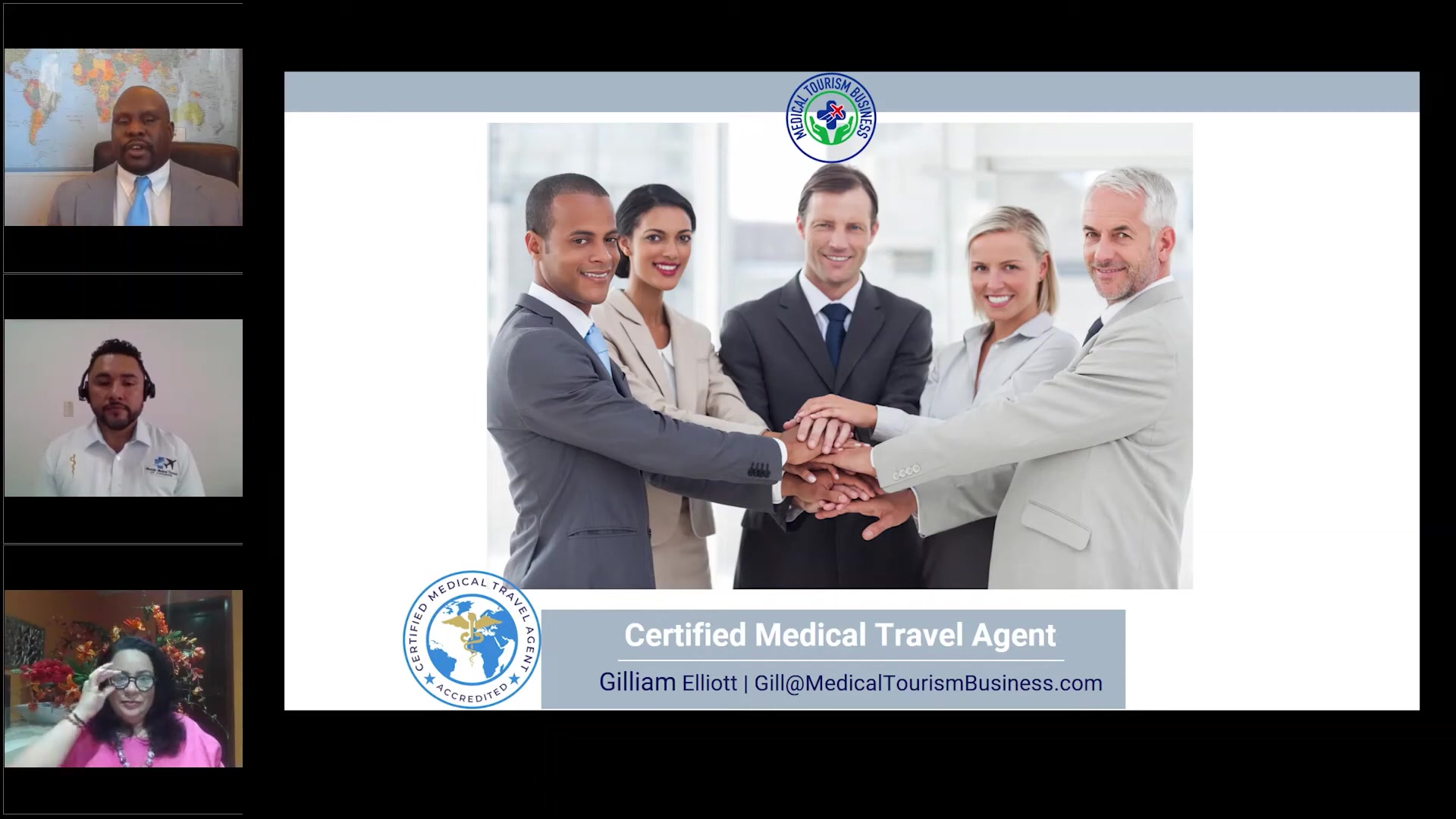
Certification sets you apart in the medical tourism industry and shows clients you meet professional standards. At MTB, we provide recognized training programs, practical tools, and ongoing support to help you succeed. Whether you are starting out or growing your business, certification gives you the credibility and confidence to work with patients and healthcare providers around the world.
Tel/WhatsApp: +1 (561) 909-7178
Build your medical tourism business
Turn industry knowledge into a working strategy
MTB provides certification, patient leads, training, and business resources for facilitators and healthcare providers.
Explore Certification
About the author
Gilliam Elliott Jr.
Gilliam has devoted himself to educating people about medical tourism for the last decade. Throughout that time, he has helped companies and individuals from all over the world start, manage, and grow their businesses by implementing proven practices and strategies. His passion for this industry has driven him to help founders create successful and profitable medical tourism businesses, achieve long-term growth, and become leaders in the field.