Launching a medical tourism business takes planning and effort, but the demand is strong. In many countries, long wait times and high healthcare costs are pushing people to look for treatment abroad. This has opened the door for businesses that connect patients with affordable, quality care in other countries.
A medical tourism company’s goal is to help people find safe, trusted healthcare options at a lower price than at home. This also includes arranging travel, accommodation, and other services.
People have been traveling for healthcare for centuries. Today, lower travel costs, better technology, and improved global healthcare standards make it easier than ever. For patients, this often means faster appointments and big savings.
Because the industry is expanding, professional standards are important. Good medical tourism businesses focus on safety, quality care, and giving clients a smooth, worry-free experience.
1. What is Medical Tourism?
Medical tourism is when people travel to another country for healthcare. This could be for surgery, dental work, cosmetic treatments, or other procedures. Reasons for traveling include lower costs, faster treatment, or access to special services not available at home.
Many countries now welcome medical travelers by offering modern hospitals, skilled doctors, and competitive prices. Travel is easier, currency exchange can help reduce costs, and healthcare in some destinations has proven to be safe and reliable.
2. Types of Medical Tourism
There are three main categories:
-
Outbound – Traveling from your home country to another for treatment.
-
Inbound – Patients coming from another country to your country for care.
-
Domestic – Traveling within your own country to another city or region for treatment.
3. How Technology Supports the Industry
Technology has played a big role in the growth of medical tourism. Better medical equipment, advanced communication tools, and online booking make it easier for patients to connect with healthcare providers worldwide. Many governments and hospitals see medical tourism as a way to grow their services and attract more patients.
4. Role and Responsibilities of a Medical Tourism Facilitator
A medical tourism facilitator is a professional who coordinates every part of a patient’s medical trip abroad, acting as the main link between the patient and the healthcare provider. In some countries, facilitators may need specific licensing, permits, or training before they can operate. Even when it’s not required, obtaining certification and proper training helps you stand out in the market, build trust with clients, and secure partnerships with reputable hospitals and healthcare providers.
Typical responsibilities include:
• Helping patients choose the right destination and healthcare provider
• Coordinating communication between patients and providers
• Assisting with travel arrangements such as flights, accommodations, and transportation
• Providing guidance on treatment options and expected outcomes
• Offering pre- and post-treatment support to ensure a smooth experience
• Helping patients understand pricing, payment, and required documentation
5. Steps to Start a Medical Tourism Business
Step 1 – Research the Market
Find out which treatments are in demand and which countries offer them at good prices. Understand your target customers and what matters most to them—cost, quality, speed, or special services.
Step 2 – Make a Business Plan
Decide on the services you will provide and your pricing. Include expected customer numbers, costs, and profit goals.
Step 3 – Certifications, Licensing, and Permits for Facilitators
Medical tourism agencies or medical tourism facilitators may be asked to undergo licensing or training before they can openly practice. The requirements for a medical travel agent license vary in each country, and in some cases, certification may be mandatory. Even if it’s not required, obtaining certification can help you stand out in the market, establish credibility, and build trust with clients and healthcare partners.
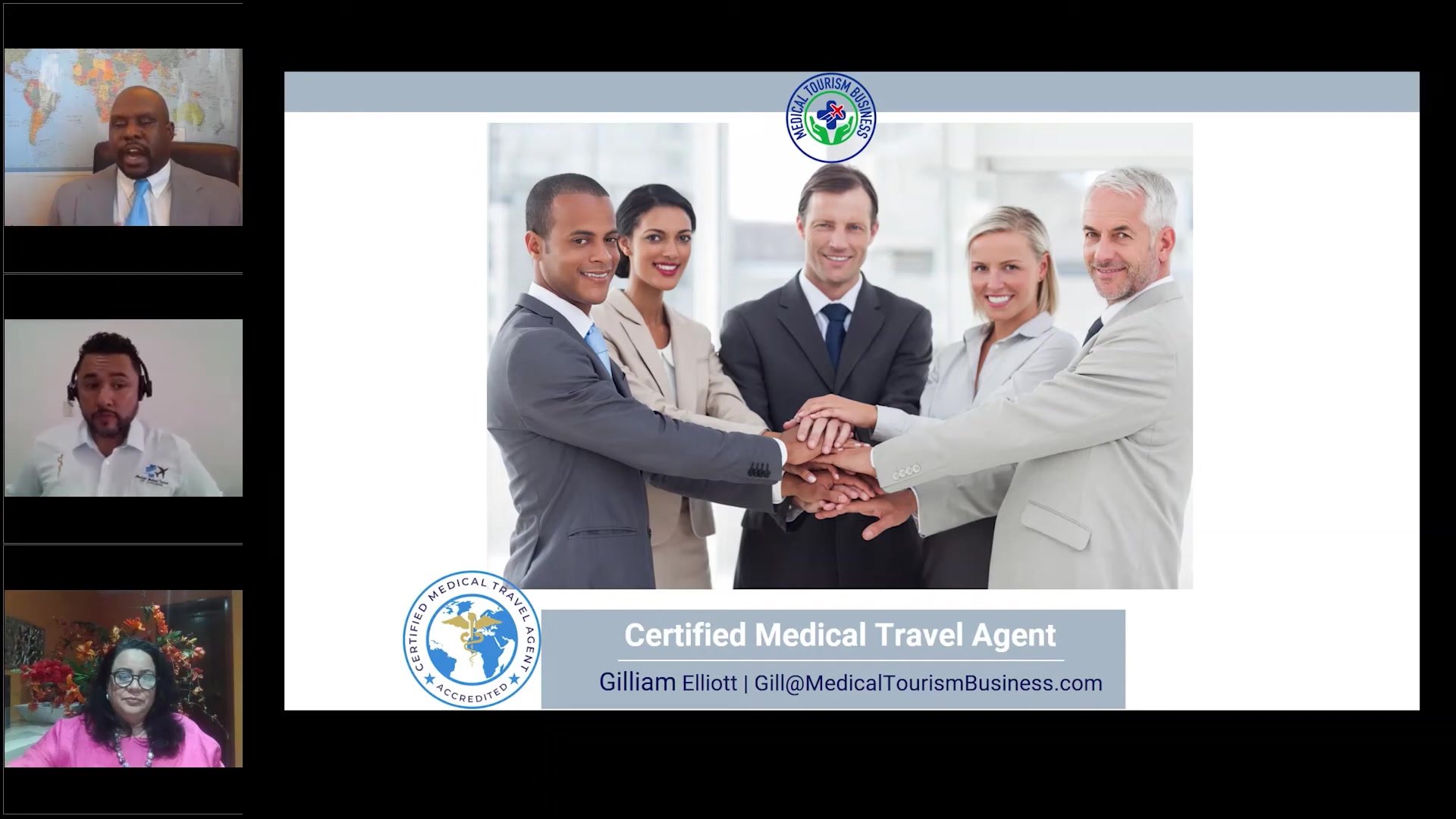
One of the most recognized options is our Certified Medical Travel Agent (CMTA) certification, which provides industry-specific training, practical tools, and a professional credential you can display on your marketing materials and website. Completing the CMTA certification signals to clients and providers that you operate with a high standard of professionalism and knowledge.
Step 4 – Arrange Insurance
Insurance can protect your business if problems arise. Make sure your policy covers all parts of your service.
Step 5 – Build Partnerships
Work with hospitals, clinics, travel agencies, and hotels to offer complete packages.
6. Conclusion
Medical tourism connects patients from high-cost countries with quality treatment in more affordable destinations. It gives people—especially those without insurance—access to safe, reliable healthcare at a much lower price.
This industry benefits both patients and destination countries. Patients can get top care for a fraction of the cost they’d pay at home, while host countries benefit from increased tourism and economic growth. In the end, medical tourism is a win-win for everyone involved.
Get Certified in Medical Tourism with MTB
Certification sets you apart in the medical tourism industry and shows clients you meet professional standards. At MTB, we provide recognized training programs, practical tools, and ongoing support to help you succeed. Whether you are starting out or growing your business, certification gives you the credibility and confidence to work with patients and healthcare providers around the world.
Tel/WhatsApp: +1 (561) 909-7178
Build your medical tourism business
Turn industry knowledge into a working strategy
MTB provides certification, patient leads, training, and business resources for facilitators and healthcare providers.
Explore Certification
About the author
Gilliam Elliott Jr.
Gilliam has devoted himself to educating people about medical tourism for the last decade. Throughout that time, he has helped companies and individuals from all over the world start, manage, and grow their businesses by implementing proven practices and strategies. His passion for this industry has driven him to help founders create successful and profitable medical tourism businesses, achieve long-term growth, and become leaders in the field.