Most clinics do not have an inquiry problem. They have a conversion problem. Patients reach out, ask about pricing or availability, and then go quiet, and the clinic never understands why. The difference between a clinic that fills its calendar and one that watches inquiries slip away usually comes down to what happens in the hours and days after that first message.
Speed is the clearest example. Research on lead response found that contacting a prospect within an hour makes you nearly 7 times more likely to have a qualifying conversation than waiting just one more hour, and more than 60 times more likely than waiting 24 hours. The inquiry is the easy part. Converting it is where patients and revenue are won or lost.
This guide breaks down six proven steps to convert medical tourism inquiries into booked patients. It is written for clinics, hospitals, and medical tourism agencies that want more of their inquiries to turn into treatment.
Why Medical Tourism Inquiries Don’t Convert
Before you can fix your conversion, you have to understand why international patients go quiet. The reasons are consistent across clinics, and almost all of them are inside your control.
Slow response. An international patient is reaching out to several clinics at once. The first one to respond clearly and personally usually earns the trust, and the rest are forgotten. A reply that comes a day later often arrives after the patient has already moved forward with someone else.
Weak trust. A patient is deciding whether to travel thousands of miles and spend significant money with people they have never met. If your first replies do not build confidence through clear answers, credentials, and reassurance, the patient will not take the risk.
Price-first conversations. When a clinic leads with price and nothing else, it becomes a number on a list the patient is comparing. Price matters, but it rarely closes on its own. Patients book with the clinic that makes them feel safe and understood.
Poor communication. Confusing messages, slow replies to follow-up questions, or language that is hard to understand all push a patient away. Clarity and responsiveness are not extras. They are the product.
No follow-up. Most patients do not book on the first exchange. They have busy lives, they get nervous, and they go quiet. The clinics that win are the ones that follow up more than once, in a helpful way, rather than giving up after a single message.
Each of these is a gap you can close. The six steps below show you how.
6 Steps to Convert Medical Tourism Inquiries Into Patients
1. Respond Fast, Every Time
Speed is the single biggest factor in converting an inquiry. The lead-response research is clear that the odds of a qualifying conversation collapse the longer you wait. One study found the odds of qualifying a lead were 21 times greater when contact was made within 5 minutes versus 30 minutes.
For your clinic, that means having a system to respond to every inquiry within minutes, not hours. Even a short, warm first reply that acknowledges the patient and promises full details shortly keeps you in the running while slower clinics fall away.
2. Lead With Trust, Not Price
Your first job is to make the patient feel safe choosing you. Open with reassurance and proof, not a quote. Share surgeon credentials, accreditations, patient outcomes, and what the full experience looks like. When the patient trusts you, price becomes a detail rather than the deciding factor.
3. Communicate Clearly and With Cultural Awareness
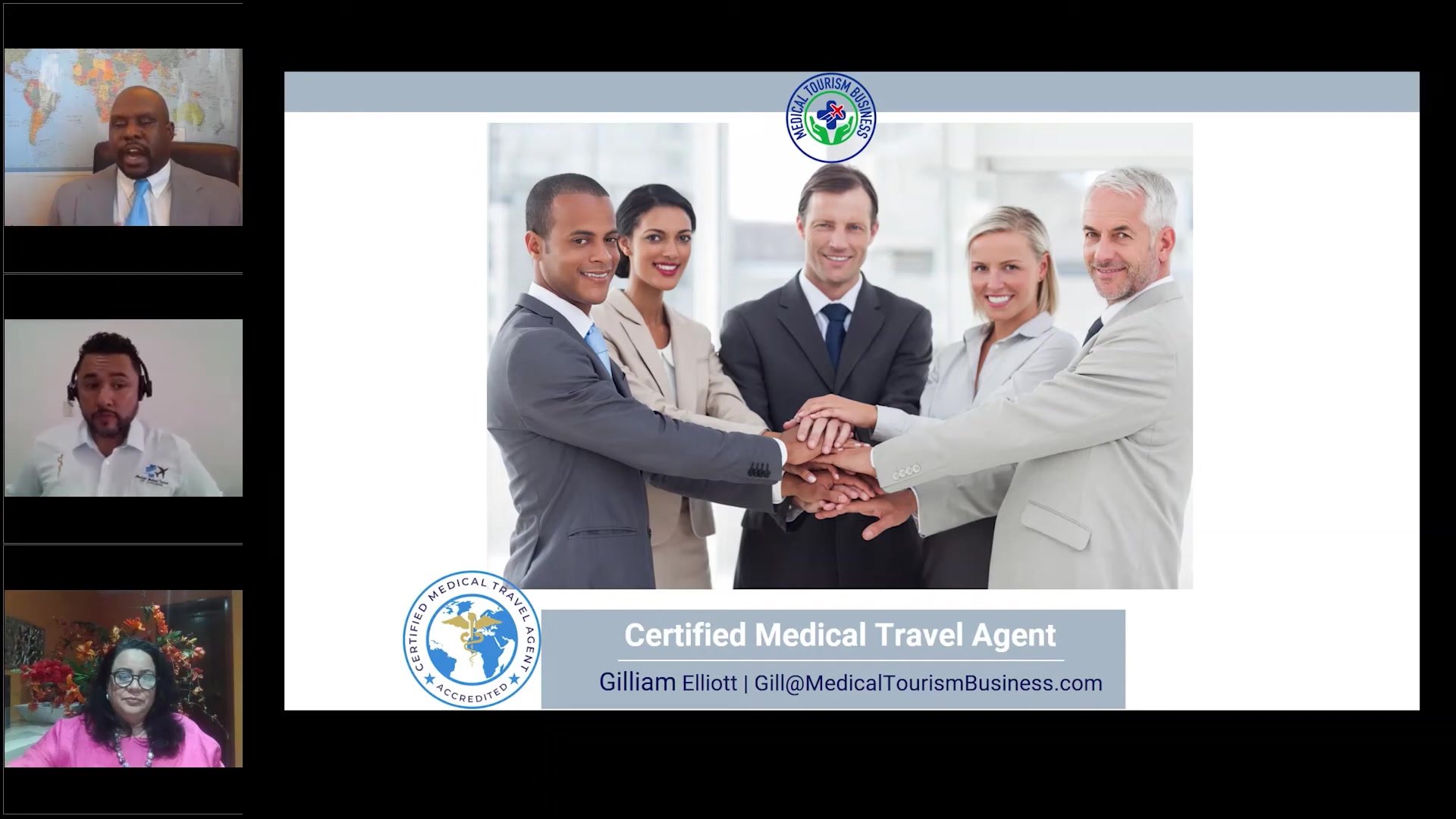
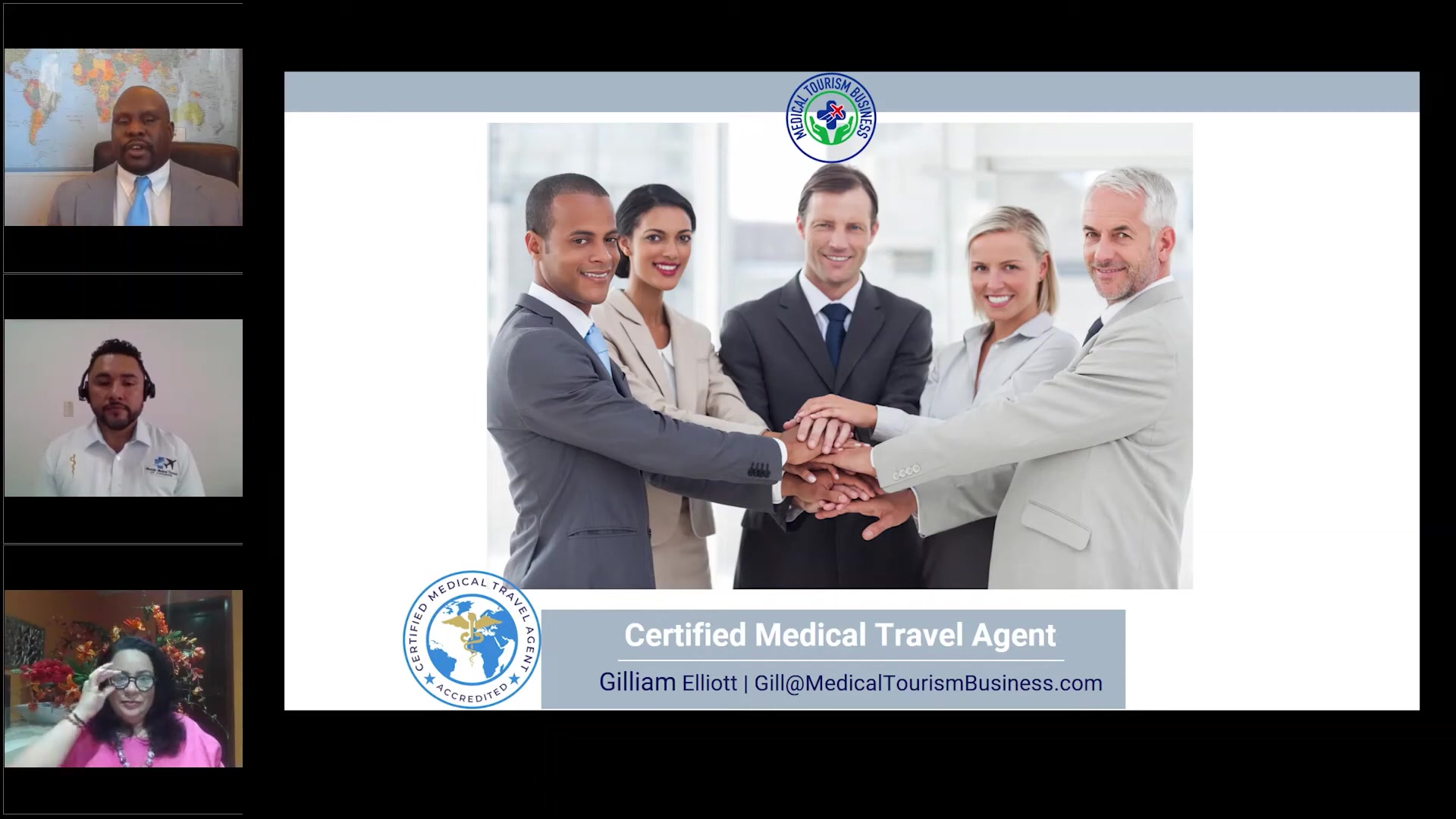
International patients judge your clinic on how you communicate from the very first message. Reply in clear English, answer every question directly, and anticipate the concerns a patient has about traveling for care. Training in international patient care, such as the Certified Medical Travel Specialist certification by Medical Tourism Business, helps your team handle cross-cultural communication and the specific needs of patients traveling from abroad. Clear, culturally aware communication is often what separates the clinic that books the patient from the one that loses them.
4. Guide the Patient Through the Entire Journey
A patient rarely goes from inquiry to booking in one step. Walk them through it. Lay out the treatment plan, the pricing, the travel logistics, the timeline, and the aftercare. Remove the uncertainty that stops people from committing. The more complete and clear the picture, the easier it is for the patient to say yes.
5. Follow Up More Than Once
Most inquiries that go quiet are not lost. They are waiting. A patient who did not reply is often busy, nervous, or still deciding. A helpful follow-up a day or two later, and again after that, recovers a large share of patients who would otherwise disappear. Do not treat silence as a no after one message.
6. Make Booking Simple
Once a patient is ready, do not make them work for it. Offer a virtual consultation to answer final questions, provide a clear next step, and make the booking process easy to complete from another country. Every extra obstacle is a chance for the patient to hesitate and delay.
Why Conversion Starts Before the Inquiry Arrives
Here is the truth that sits underneath all six steps. The quality of the inquiry determines how easy it is to convert. A vague inquiry from someone just browsing is hard to close no matter how good your process is. A verified inquiry from a patient who has confirmed they want the procedure and are ready to travel is a different conversation entirely.
That is what our patient lead generation service delivers. You receive verified, exclusive international patient inquiries sent directly to your inbox or CRM in real time. Every prospect is screened through multilayer AI verification before it reaches you, so you are speaking with patients who have real intent, not casual browsers. Patients can also self-schedule a consultation right after completing the intake form, based on the availability you set. We find that 40 to 50 percent of patients choose this option, which further increases your conversion rate. We take no commission or profit sharing, so you keep every patient relationship.
Real-time delivery matters most for everything you just read about speed. When a verified inquiry lands the moment the patient is most interested, you can respond while their intent is highest, which is exactly when conversion is easiest. Every inquiry is 100 percent exclusive, so you are not racing five other clinics for the same patient, and any lead that fails our 24-hour accuracy guarantee is replaced at no cost.
In short, better inquiries make every one of these six steps work harder. You can see the packages and pricing here.
Track and Improve Your Conversion Over Time
Converting inquiries is not a one-time fix. It is a process you refine. A few simple habits separate clinics that improve from those that stay stuck.
Measure your response time. Track how long it takes your team to reply to a new inquiry. If it is longer than a few minutes, that is the first thing to fix, because it costs you more patients than anything else.
Track where patients drop off. Notice whether patients go quiet after the quote, after the travel discussion, or somewhere else. The point where they disappear tells you exactly what to improve.
Follow up on every inquiry, then review. Keep a simple record of which patients booked and which went cold, and look for patterns. Over time you will learn which messages, timing, and answers convert best.
Small, steady improvements to speed, communication, and follow-up compound into a meaningfully higher share of inquiries that become treated patients.
Frequently Asked Questions
How fast should you respond to a patient inquiry?
As fast as possible, ideally within minutes. Research on lead response shows the odds of a qualifying conversation drop sharply the longer you wait, and that responding within an hour sharply outperforms waiting longer.
Why do medical tourism patients not book after inquiring?
The most common reasons are slow responses, weak trust, price-only conversations, unclear communication, and no follow-up. Nearly all of these are within the clinic’s control.
How do I follow up with international patients?
Call the patient first, since a phone call is the most effective way to reach them. If they do not answer, leave a voicemail and follow up with a text and an email. Reach out again a day or two later, and once more after that, with helpful information rather than pressure. Most patients who go quiet are still deciding, not gone, so it often takes several attempts across different channels to reach them.
How do I improve my medical tourism conversion rate?
Start with higher-quality inquiries and a fast, consistent follow-up process. When inquiries are verified before they reach you, your team spends its time on patients who have real intent and are ready to travel, and those convert far more easily than cold or shared leads.
Final Takeaway
Converting medical tourism inquiries comes down to speed, trust, clear communication, and persistent follow-up. The clinics that book the most patients are not always the cheapest. They are the ones that respond first, build confidence fastest, and make the decision easy.
You can sharpen your process using the six steps above, and you can make every step easier by starting with verified, exclusive patient inquiries delivered in real time. View the patient lead packages and pricing here.
Build your medical tourism business
Turn industry knowledge into a working strategy
MTB provides certification, patient leads, training, and business resources for facilitators and healthcare providers.
Explore Certification
About the author
Gilliam Elliott Jr.
Gilliam has devoted himself to educating people about medical tourism for the last decade. Throughout that time, he has helped companies and individuals from all over the world start, manage, and grow their businesses by implementing proven practices and strategies. His passion for this industry has driven him to help founders create successful and profitable medical tourism businesses, achieve long-term growth, and become leaders in the field.